
08:45 – 09:00
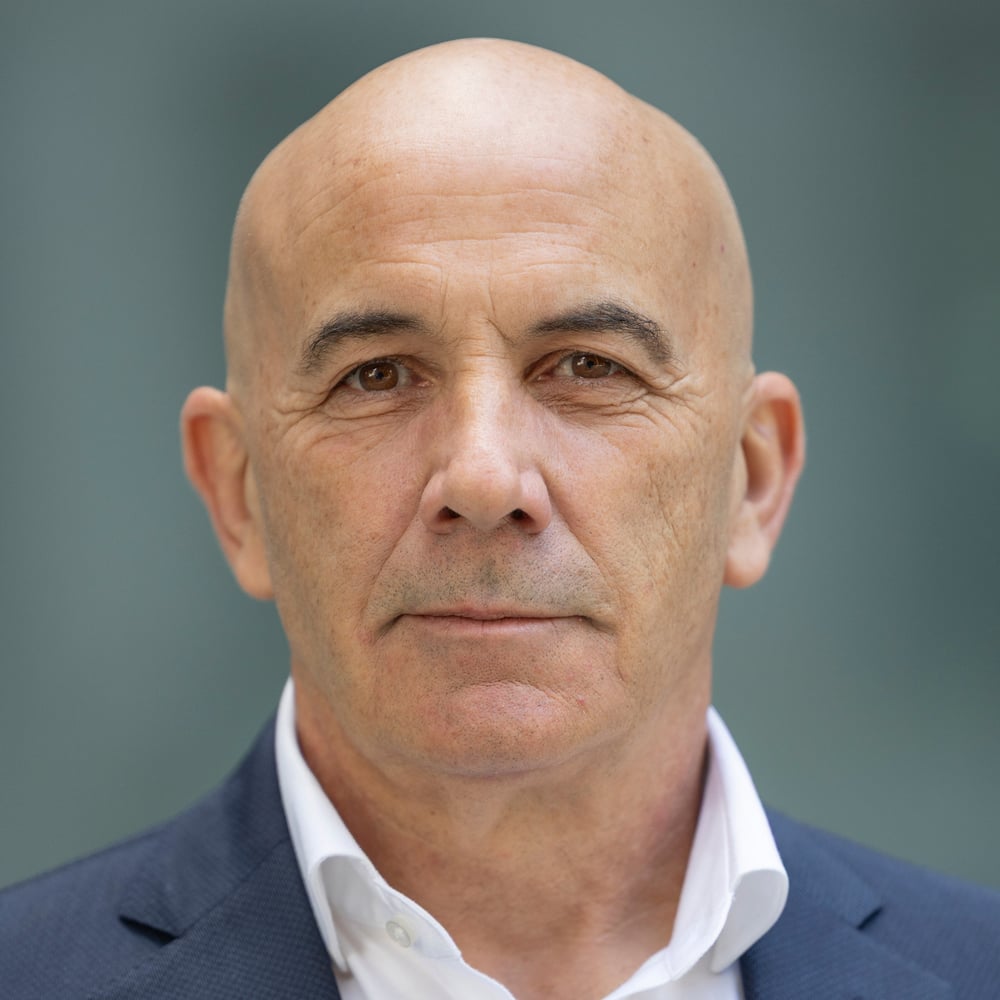
Welcome and Setting the Scene

09:00 – 09:15

Samavira Meditation
If you think you can’t meditate, you just haven’t found a method that really works for you yet.

09:15 – 09:40

Opening Keynote Address: AI as the Driver of the Future of HR, Wellness and Performance
How will AI impact holistic well-being strategies to drive productivity, lower healthcare costs, and increased profitability? How will AI & personalization elevate engagement through data-driven wellness solutions? What impact will AI-powered coaching and health analytics have on customized well-being plans that improve employee retention and performance? How can organizations prioritize emotional intelligence, trust, and mental health support experience in order to achieve stronger engagement, lower turnover, and higher innovation?
09:40 – 10:30
Leadership Panel: Wellbeing Culture as a Performance Engine
What are the measurable behaviours that prevent culture atrophy and drive meaningful organizational performance, enhancing engagement, wellbeing and long-term strategic outcomes? What is the value of designing wellbeing programs as integrated experiences that are embedded throughout the employee journey? How can employers implement programs that help support people thrive and grow? Wellbeing as a strategic lever to 'double down' on in times of volatility & change and quicker innovation cycles.

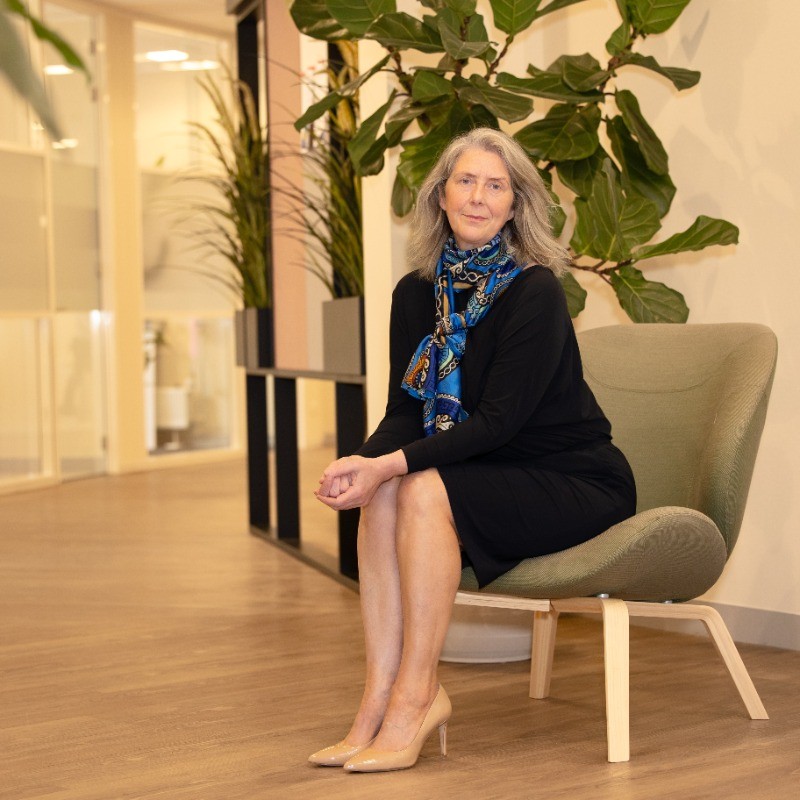




Your Expert Chair:
11:00 – 11:25

The Wellbeing Paradox: Why Work Feels Harder Than Ever. And What We Can Do About It
We've never had more tools, more flexibility, or more focus on employee wellbeing. So why do so many people feel less connected to their work than ever before? Drawing on tens of thousands of workplace survey responses from hundreds of global companies, this keynote traces a surprising 300-year story -from Adam Smith's pin factory to the post-COVID workplace- to explain how three waves of progress have gradually disconnected people from the things that make work genuinely fulfilling: a sense of craft, connection with colleagues, and seeing the real impact of what they do. The good news? Once you understand what's missing, it doesn't take much to bring it back. This session offers HR and wellbeing leaders a fresh lens on why their people are struggling and some practical, human ideas for restoring a little more pride and joy to everyday working life.
11:25 – 11:50
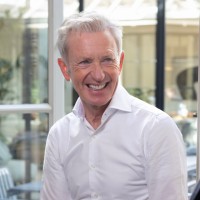
Wellbeing Is Not the Point
Wellbeing is a worthy aspiration and an easy target for consensus. It is also not the point. Drawing on forty years in HR and CHRO tenures at KPN, ING and DSM, Hein Knaapen argues that employers carry three non-negotiable duties — to abide by the law, to uphold the dignity of people at work, and to deliver company performance — and that wellbeing is a lever inside the third, not a goal alongside it. Along the way he will examine what the evidence actually says about individual-level interventions, which single factor explains most of the variance in engagement and performance (it is not an app), and where employer responsibility ends and personal agency begins. Appreciative of the evidence, uncomfortable with the orthodoxy, and firmly on the side of precision over platitude.

11:50 – 12:50
Leadership Workshop Discussions
Attendees choose their preferred discussion to join from the following list:
Back to our roots: creating a wellbeing-first workplace
This session examines how organizations can bridge the gap between our ancestral biological needs, such as movement, social connection, and natural rhythms, and the sedentary, high-stress nature of the modern workplace. We will explore why prioritizing employee wellbeing is essential for productivity and retention, focusing on a holistic culture built on physical, mental, and social health. HR professionals will walk away with practical strategies to realign the work environment with human nature, fostering a more resilient and engaged workforce. By attending, you will learn how to: Realign modern work with our biological needs for movement, connection, and natural rhythms, Boost productivity and retention by prioritizing holistic employee health and purpose, Implement research-backed, practical strategies to build a high-engagement, wellbeing-first culture.
Mental Health in the Workplace: Why traditional approaches no longer meet the needs of today's workforce.
Lyra Health is changing how mental health is supported in the workforce, addressing higher acuity needs such as alcohol and substance addiction, neurodiversity, and support for teens, while also tackling the access to care crisis in Canada and around the world. Working with your health insurance provider, Lyra also helps manage costs in a world of ever-increasing medical inflation.
13:45 – 14:00
Post-Lunch Audience Energiser - “Slow Down To Speed Up”

14:00 – 14:25

Building a Culture of Intention – Strategies to Boost Wellness and Productivity
The power of choice and intention in your personal and professional life? What are the techniques to convert everyday moments into powerful experiences? What is the impact of positive thinking on your mental and physical health? How can employers help staff to cultivate resilience and inner strength?

14:25 – 15:05
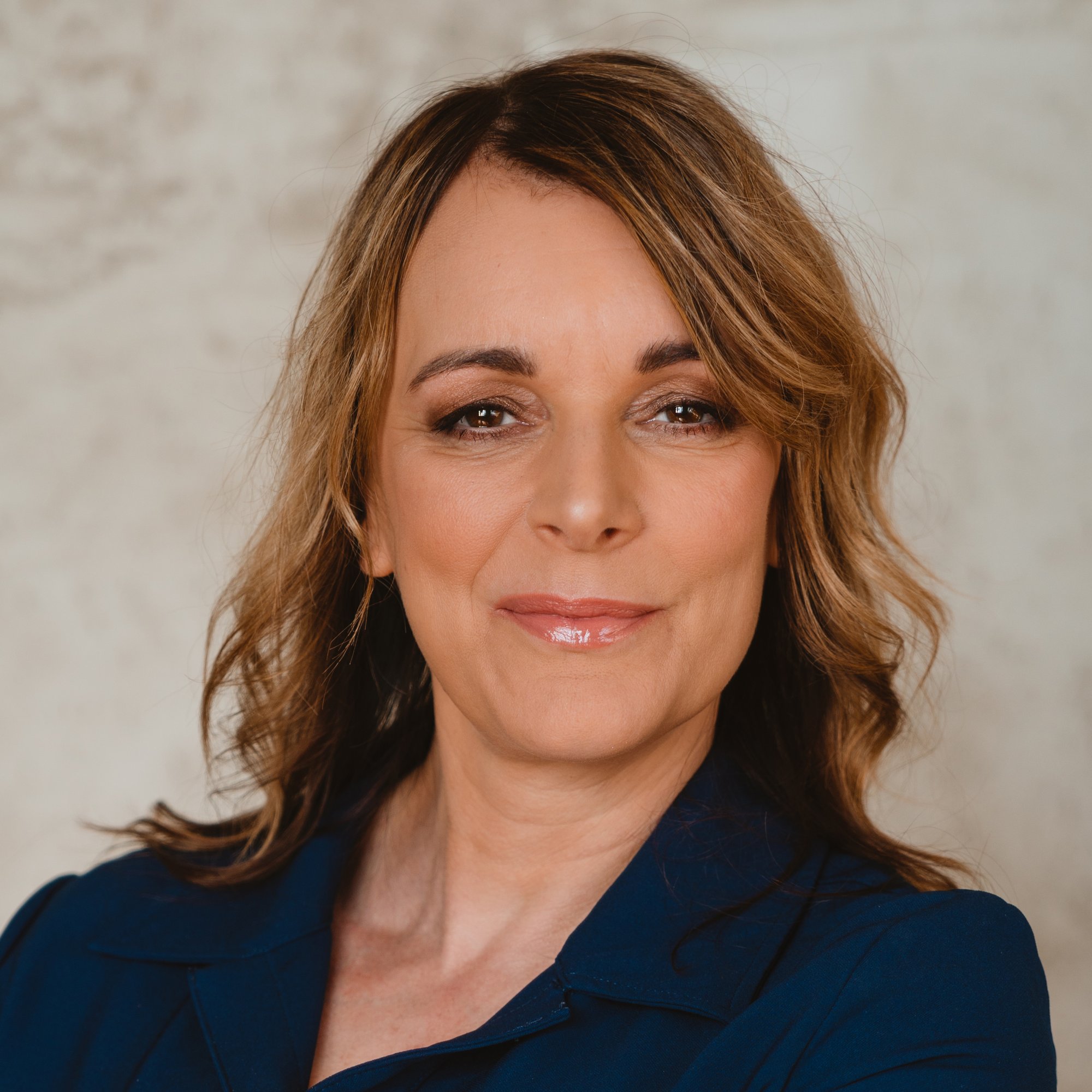
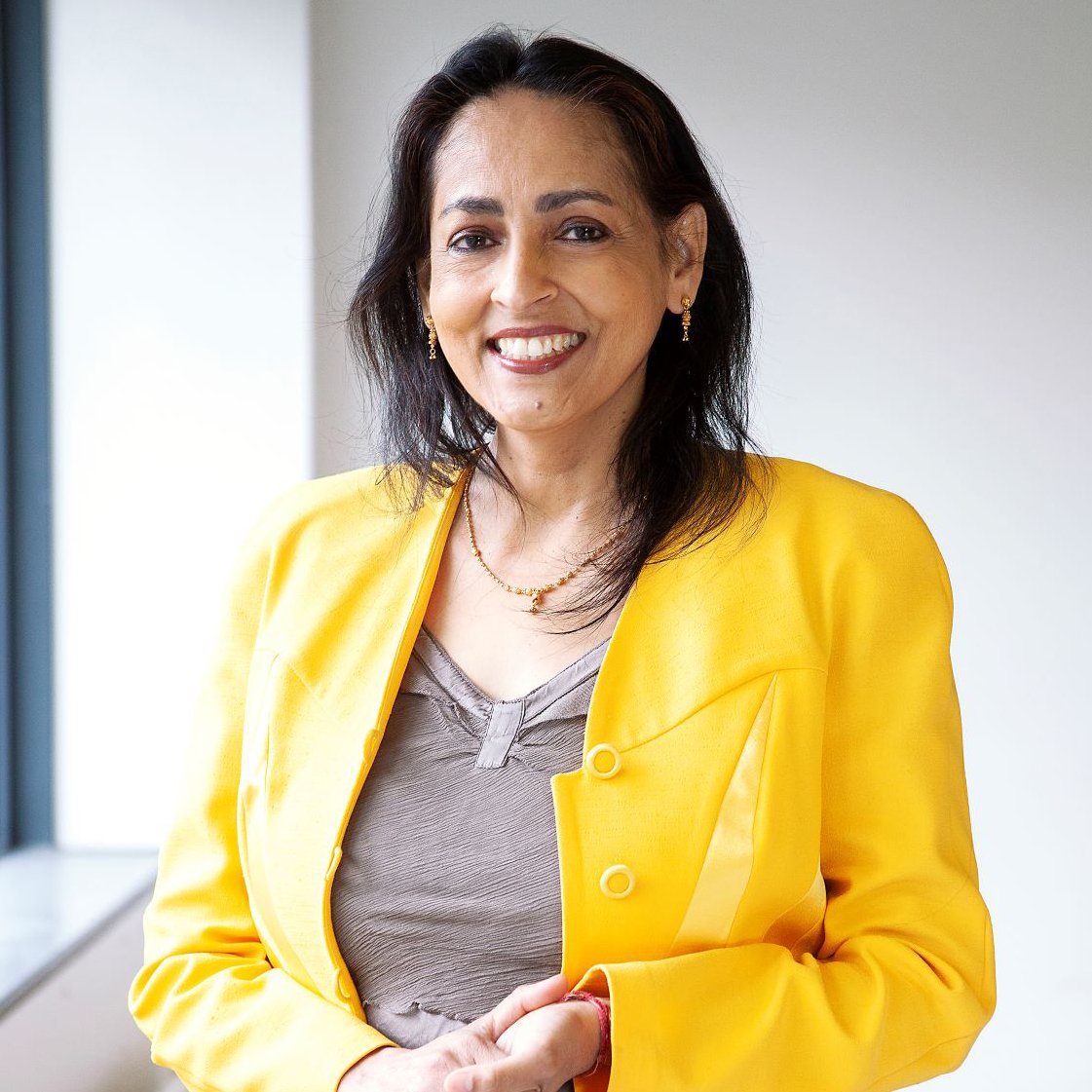
Panel: Equitable Well-Being Outcomes in an Increasingly Complex Workplace
As workplaces become more complex - hybrid environments, increasingly multi-generational/multi-cultural/neurodiverse – how should cultures ensure people and performance thrive together? How do organizations approach wellbeing as an outcome of choices, governance and leadership, rather than as a standalone programme? How are organizations still falling short in delivering equitable wellbeing outcomes? As AI and automation will disproportionately affect different workgroups, how should employers adjust their wellbeing strategies to mitigate the psychological risks and skill gaps for specific employee groups facing major job transformation or increased workload demands?

-1.jpg?width=480&height=480&name=Asael%20(1)-1.jpg)
.png)

Your Expert Panel Chair

15:35 – 16:00
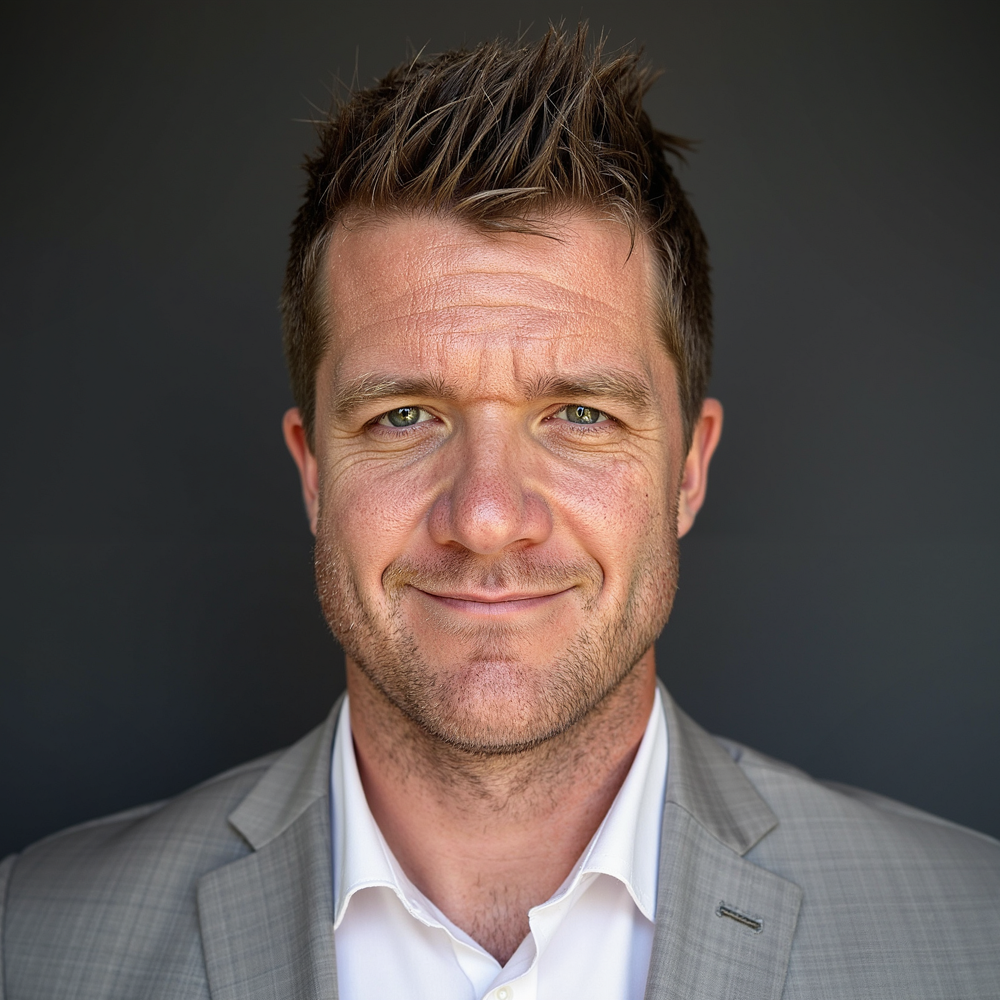
The Person Who Doesn’t Exist: Why Wellbeing Programs Fail When They Measure for Averages — and What to Do Instead
Every wellbeing survey is designed for an “average employee” who doesn’t exist — neurodivergent employees are the most visible proof, but no one in your workforce matches the average profile. Why measuring for averages means intervening too late, too generically, and for the wrong people — and why this is the hidden driver behind wellbeing program backlash and low engagement. How conversational AI combined with adaptive psychometrics creates assessment that adapts to each individual — making neuroinclusion a byproduct of better measurement, not a separate initiative. The ROI of seeing each person: what loneliness-driven turnover, absenteeism, and disengagement actually cost your organization, and what earlier, personalized detection can save.

16:00 – 16:25
Thriving in a Neuroinclusive Workplace
How can organizations recognize the opportunity that integrating neurodivergent professionals can bring to an entire organization? Creating a neuroinclusive organization that includes individuals who are and who are not diagnosed with developmental conditions that fall within the neurodiversity spectrum. What are the drivers supporting advancement of neurodiverse professionals in the current marketplace and why they matter to their organization and industry. What are the leadership and teaming styles that can help enable neuroinclusion?

16:25 – 16:30
Closing Remarks